Aging and the immune system: Can it be reversed?

The human immune system becomes less effective with age. This can be due to increased infection and chronic inflammation. However, exercising, eating a balanced diet, and maintaining a moderate weight may help slow these immune changes.
As people age, their immune systems weaken and become less balanced, a process known as immunosenescence.
The innate immune system, the body’s first line of defense, often stays active after infections instead of shutting down, leading to chronic, low-level inflammation.
At the same time, the adaptive immune system, which targets specific viruses, bacteria, and fungi, also loses strength over time, reducing its ability to protect the body.
This article discusses this imbalance and how it may contribute to the development of many age-related conditions, increase a person’s chance of developing infections, allow dormant viruses to reactivate, and reduce the effectiveness of vaccines such as the flu shot.
The good news is that exercising and adopting a nutritious, balanced diet may help a person maintain strong immunity into older age.
Inflammation is a part of the typical repair response for healing and is essential in keeping us safe from bacterial and viral infections, as well as noxious environmental agents. However, not all inflammation is good. Prolonged and persistent inflammation can be damaging and destructive.
As people age, their immune systems can have difficulty switching off inflammation after infection or injury due to the buildup of “senescent” cells. These cells have shortened telomeres, which limit cell division and interfere with their functioning.
This means they can add to existing chronic inflammation by producing more pro-inflammatory cytokines. Cytokines are small chemical messengers that play a role in activating inflammation and the immune response. This drives the process known as inflammaging, which aids the development of various chronic conditions and diseases, such as diabetes, heart disease, neurodegeneration, cancer, or atherosclerosis.
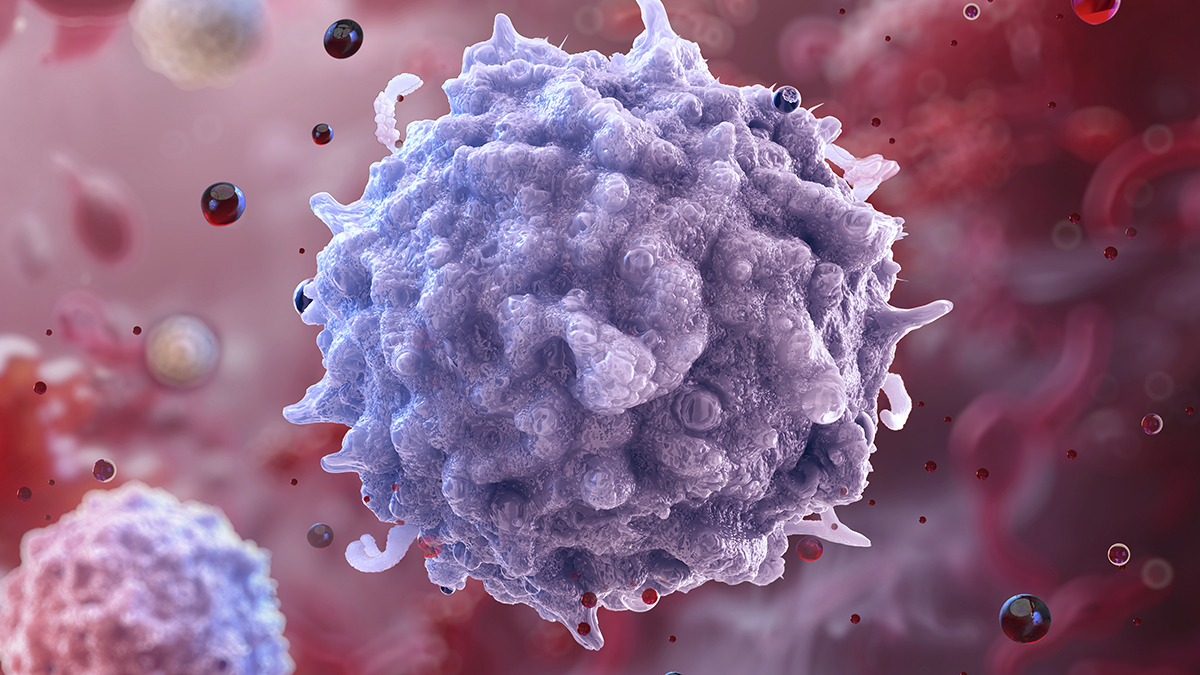
Aging can also affect the immune system by shifting the balance of macrophage types in the body, which can further fuel chronic inflammation. A macrophage is a white blood cell in the innate immune system that serves as one of the body’s first responders to infection or tissue damage.
While the overall number of T cells, a type of lymphocyte, remains stable, the supply of those T cells that respond to new infections declines. This can leave older adults less able to fight new pathogens or respond effectively to vaccines.
When a person’s immune system declines, it typically becomes weaker over time. The main sign of a weak immune system is susceptibility to infections that can become increasingly difficult to treat.
These can be ear infections, skin infections, or sinusitis, for example, or more severe infections such as:
In addition, a weakened immune system can also increase a person’s chance of developing:
- autoimmune diseases, such as psoriasis or rheumatoid arthritis
- cancer
- internal organ inflammation
- anemia
- digestive issues like appetite loss, diarrhea, and stomach cramps
Although there are no ways to prevent aging, certain lifestyle changes can help a person stay healthy as they age.
The following sections look at these factors in more detail.
Getting regular exercise
Regular exercise may help support the immune system. The Centers for Disease Control and Prevention (CDC) indicates that adults ages over 65 should aim to do moderate aerobic exercise for at least 150 minutes a week or vigorous exercise for 75 minutes. They should also include strength and balance exercises on at least 2 days per week.
A
Eating a balanced diet
Nutrition may affect the immune system by influencing both immune cell function and the gut bacteria, which in turn regulate inflammation.
A 2021 article notes that many older adults don’t eat enough protein or micronutrients, such as vitamins C, D, and E, zinc, and selenium, and gut microbiota can also change with age. These changes likely work together to weaken immunity, increase low-grade inflammation, and contribute to gut imbalances.
Correcting these nutritional deficiencies may help improve certain immune responses, although further research is necessary to confirm this conclusion. Excessive intake of certain nutrients, such as zinc, can even harm the immune system.
Overall, better-designed, larger studies may be needed to clarify how nutrition and gut health can best support immunity and reduce infections in older adults.
Maintaining a moderate weight
Aging can lead to weight gain due to an accumulation of adipose tissue (fat) beneath the skin and around the organs. Fat cells can undergo cellular aging (senescence). Usually, the immune system clears out these cells, but when the immune cells themselves age, the body is unable to do so.
When this occurs, it can weaken the body’s ability to control inflammation, interfere with insulin function, and lead to metabolic problems and immune system changes similar to those seen with the natural aging process.
For this reason, being overweight or obese may speed up age-related immune changes. Research suggests that older adults who are overweight or live with obesity may have T cells suggestive of accelerated immune system aging.
Additionally, obesity is associated with elevated pro-inflammatory cytokines, and weight loss may be beneficial in reducing these levels. However, more research is required to determine whether weight loss can reverse immune system aging.
As people age, their immune system begins to weaken, a process known as immunosenescence. This increases a person’s risk of developing more frequent or severe infections or chronic illnesses.
Though it is not possible to stop immune aging, lifestyle changes such as regular exercise and a balanced, nutritious diet may help slow it down.
Maintaining a moderate weight is also important, as excess weight can accelerate immune aging by triggering increased inflammation. Further research is needed to confirm the effectiveness of these interventions.
link